Wellness & Preventive Care for Dogs and Cats in Silver Spring
Preventive care works best when it starts before anything’s wrong.
Most of the time, your pet seems fine. That's the challenge. Dogs and cats are wired to hide discomfort. It’s easy to miss subtle signs of pain, early internal changes, or a condition that's been developing quietly for months. By the time your pet’s behavior changes enough to notice, what was easy to treat has often gotten harder (and more expensive).
A veterinary wellness exam is how you find those things while you still have options. It's also how Dr. Adelman learns your pet over time. Not just their chart. The way they move, what's normal for them specifically, what's changed since last year- that kind of continuity builds visit by visit.
What Happens at a Wellness Visit at Layhill Animal Hospital
Every exam starts with what you've noticed at home. Changes in appetite, water intake, energy, sleep, or coat quality aren't small talk, they're clinical information and shape where the exam goes.
The physical examination covers every major body system:
- Eyes, ears, teeth and gums
- Skin and coat, lymph nodes
- Heart and lungs
- Abdomen and weight
- Musculoskeletal structure
If something warrants a closer look, Dr. Adelman will tell you what he's seeing and what it might mean before any conversation about next steps. Nothing is scheduled or performed without your understanding and consent. If additional diagnostics would add useful information, he'll explain what they'd tell us and let you decide.
Vaccines and Preventive Recommendations
Vaccine recommendations at Layhill are built around your pet's actual life: where they go, who they're around, what they're exposed to. There's no standard protocol applied to every dog and cat. That conversation happens at every wellness visit, and it's always a conversation, not a checklist.
For a full breakdown of which vaccines dogs and cats need, how often they need them, and how to think through the options for your specific pet, visit our Vaccinations page.
Puppy and Kitten Wellness Exams: The First Year
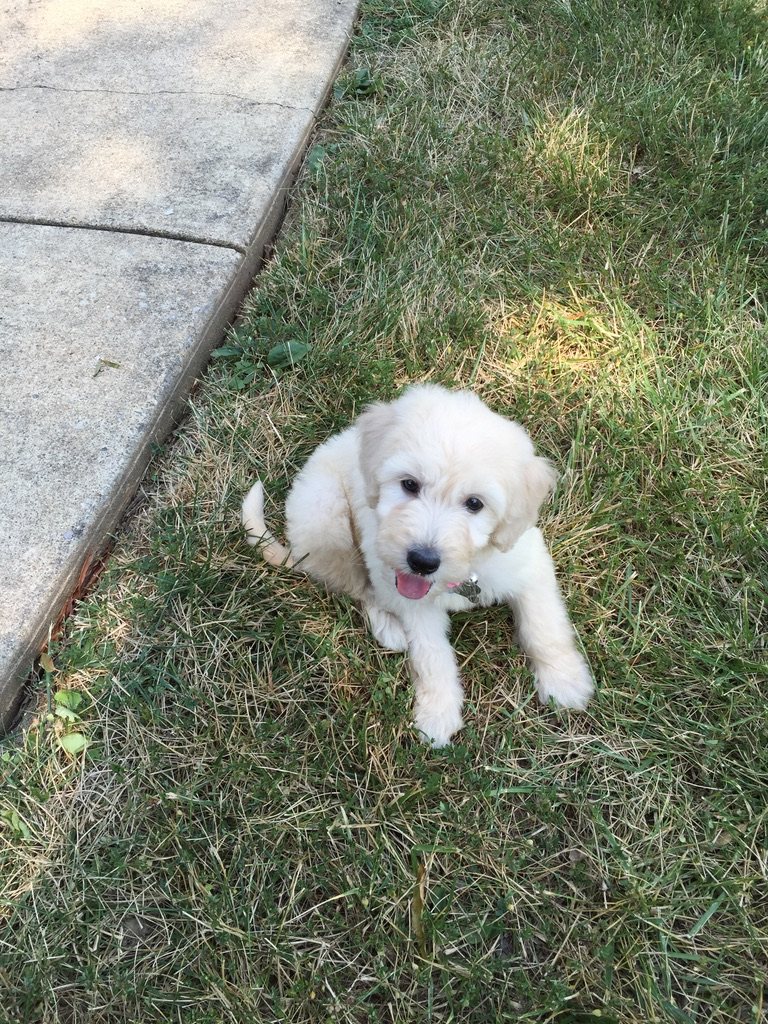
The first year is when the most visits are needed and when they matter most. Puppies and kittens are seen every three to four weeks from around eight weeks through sixteen weeks, timed with each round of vaccines. The exams aren't just about the shots. They're about tracking how the animal is developing. Catching what might resolve on its own. Finding what needs attention early.
A problem found at ten weeks is almost always easier to manage than one found at ten months. By the time they finish their series, Dr. Adelman knows your pet. The final visit also covers spaying or neutering, parasite prevention, nutrition, and what to expect as they move into adulthood. You leave with a baseline and a plan.

Annual Vet Visits for Adult Dogs and Cats
Adult pets generally need a wellness exam once a year. That visit is more than a vaccine update. It's a chance to look at the animal at a stable point in their health, compare findings to prior years, and catch changes before they become problems.
Adult visits include a complete physical, a review of any concerns you've noticed at home, and a parasite screen. Whether to add lab work depends on your pet's age, history, and what the physical turns up. Dr. Adelman won't recommend bloodwork as a matter of routine for every adult patient. He'll tell you what a test would tell us and why it's worth considering for your specific pet at this point in their life.
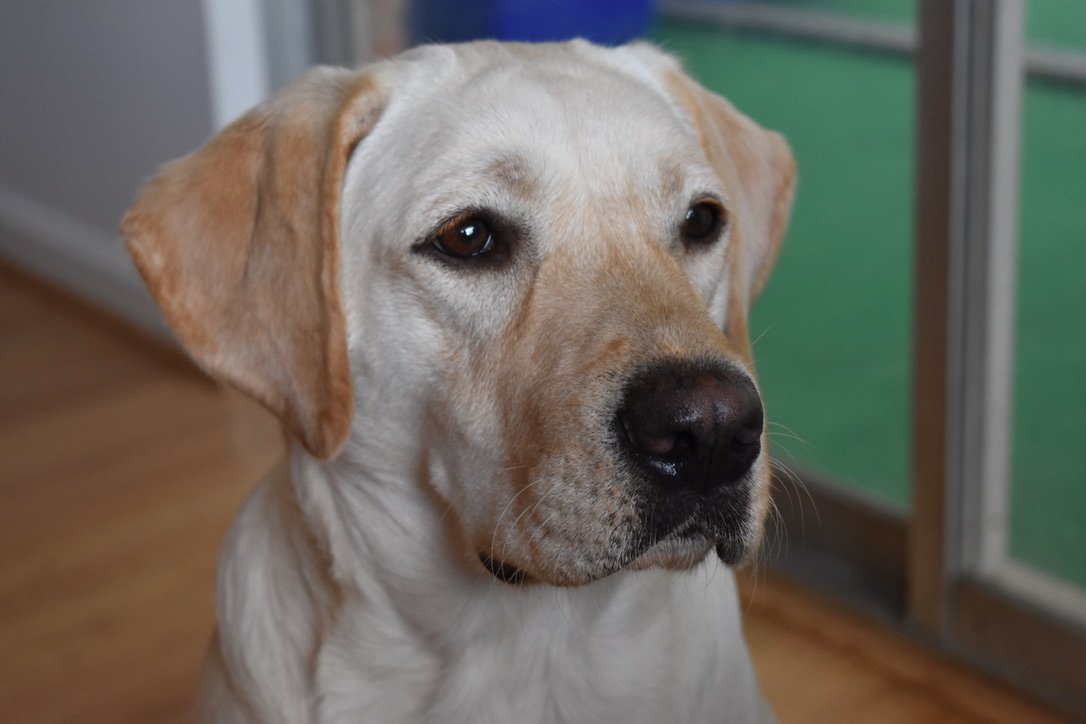
Senior Pet Wellness: More Frequent Visits, Earlier Answers
Dogs are generally considered seniors around age seven and cats around nine, though larger dog breeds get there earlier. At this stage, conditions that were moving slowly can pick up speed. The window for early intervention gets shorter. More frequent visits may be necessary to give Dr. Adelman a closer look at what's changing and when.
Senior visits pay particular attention to:
- Organ function and bloodwork
- Joint health and mobility
- Dental disease
- Weight changes
- Shifts in behavior or cognition
Bloodwork and urinalysis become more routine at this stage, not as a precaution for its own sake, but because they catch kidney disease, thyroid changes, diabetes, and liver issues well before symptoms appear. If something is found, you'll know what it is, what your options are, and what Dr. Adelman recommends.
Frequently Asked Questions About Pet Wellness Exams
Because "seems healthy" is an unreliable signal in animals. Pets instinctively hide discomfort. Many serious conditions develop quietly for months or years before behavior changes enough to notice. A physical exam finds things you can't see from home. Lab work adds another layer. Together, they let you make decisions while you still have good options.
A routine blood panel shows how the kidneys and liver are working, whether thyroid levels are normal, and whether there are signs of infection, anemia, or blood sugar issues. For most healthy adult pets, Dr. Adelman won't add bloodwork as an automatic annual item. He'll tell you what it would tell us and why it makes sense for your pet right now. For senior pets, it becomes more consistently useful because things can change faster and earlier detection matters more.
The right schedule depends on what's been found at prior visits and how your pet is doing overall. More frequent visits give Dr. Adelman a closer look at what's changing, and lab work at those visits gives earlier warning on the conditions most common in older pets.
Dr. Adelman will tell you what he found, what the likely causes are, and what your options look like, including what he'd recommend and why. The decision is yours. No test, procedure, or treatment is scheduled without your consent. Nobody at Layhill Animal Hospital will make you feel pressured to decide in the room.
We're happy to walk you through what a visit typically includes before you come in. Call us at (301) 598-7300.
Tell us. Dr. Adelman presents options and estimates so you can choose what works best for your pet and your family. If something doesn't fit your budget right now, he'll help you figure out what matters most for your pet at this moment versus what can wait. The goal is always the right level of care for your pet and your situation.
New clients are welcome at Layhill Animal Hospital. Call (301) 598-7300 or request an appointment online.